I am an AI Metascience Fellow at EPCC, University of Edinburgh, exploring how AI is shaping disruptive science and influencing scientific norms in research on complex, “wicked” problems.
I am an AI Metascience Fellow at EPCC, University of Edinburgh, exploring how AI is shaping disruptive science and influencing scientific norms in research on complex, “wicked” problems.
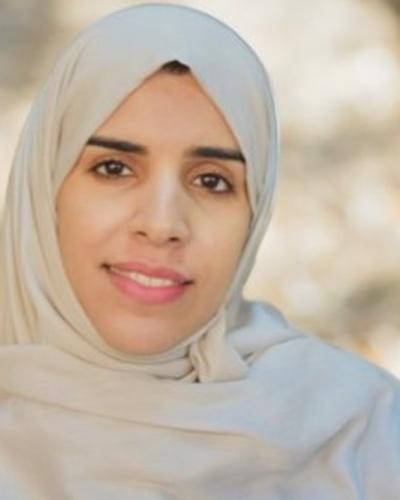
I completed a PhD at the intersection of Pharmacology and Computational Biology at the University of Liverpool, with a focus on breast cancer. My research combined machine learning with molecular dynamics (MD) simulations on high-performance computing (HPC) systems.
I previously worked as Research Project Manager for the AI for Multiple Long-Term Conditions: Research Support Facility (AIM RSF) at The Alan Turing Institute. The AIM RSF was part of a £23 million National Institute for Health and Care Research (NIHR) programme focused on artificial intelligence and multi-morbidity. Before joining EPCC, I was Data Service Manager for the Imagery Smart Data Service (Imago), part of the Smart Data Research UK programme funded by the ESRC, which focuses on improving the usability of satellite imagery for public health, urban planning, and policy.
My interests are grounded in open science, with a focus on plural approaches to knowledge production and more equitable research systems. I am particularly interested in how alternative knowledge infrastructures can support intellectual and economic solidarity across global contexts.
I founded the Open Science Community Saudi Arabia (OSCSA), which introduces and contextualises open science practices across Arabic-speaking countries. The community builds local capacity, reduces infrastructure barriers, and develops Arabic-language resources. I also served as a Subject Matter Expert for NASA’s Transform to Open Science programme, contributing to the design of training modules around open science.
I represent the Arab region on the International Association of Universities (IAU) Expert Group on Open Science, an initiative developed with UNESCO. Through this role, I contribute to recommendations and best practices that support universities in embedding more sustainable and inclusive open science models.
I am an active mentor and governance committee member for The Open Life Science (OLS). I am also a core contributor to The Turing Way and a jury member (2024–2026) for the Einstein Foundation Award for Promoting Quality in Research. I was selected as a DWeb Fellow by the Internet Archive, contributing to global conversations on decentralised technologies and knowledge justice.
I have spoken at UNESCO’s Working Group on Open Science Policies (2022), and my 2024 talk at the UN Internet Governance Forum focused on interoperability and power concentration in digital infrastructures. I have also co-organised several international events, including useR! 2021, Responsible Research in Action Unconference, Global Dynamics in Responsible Research 2022, and Pioneering AI in Multiple Long-Term Conditions: Bridging Research and Practice (2024).