News
EPCC scientific visualisations to be presented at SC26
EPCC will present two new scientific visualisations as part of 'Art in HPC', the international SC conference's showcase of these unique blends of science, computing and art.

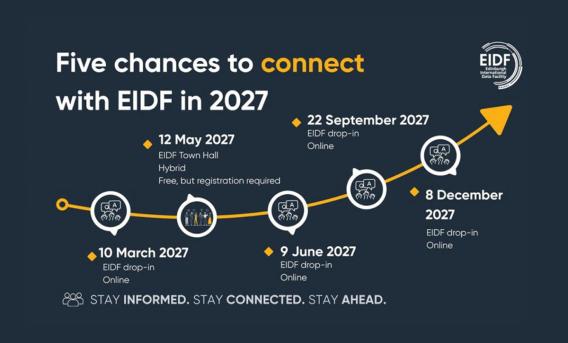
Five ways to connect with EIDF in 2027
The EIDF's 2027 events programme is here: five online drop-ins plus our flagship hybrid Town Hall at the Bayes Centre.
Software breakthrough could spur quantum computer advances
A major software advance could aid the creation of bigger, more reliable quantum computers, a study suggests.

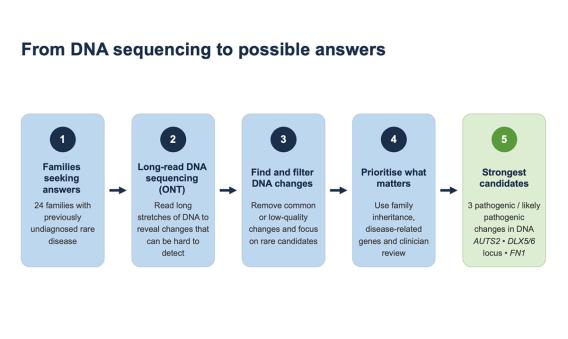
How long-read sequencing is ending the diagnostic odyssey
Dr Prasun Dutta and colleagues at Oxford University have used long-read sequencing to diagnose three families whose cases had defied standard analysis, revealing the crucial variants had been in th
UK AI Factory Antenna represented at EuroHPC User Days 2026
The UK AI Factory Antenna (Pilot-UKAIFA) at EPCC was represented at the EuroHPC Joint Undertaking (EuroHPC JU) User Days 2026 in Dublin in September.
ARCHER2 training course: Modern C++ for Computational Scientists
This course will cover a minimal set of features to allow experienced programmers with existing experience in another language to get to grips with C++.

EPCC PhD research: Compiling HPC codes for novel hardware architectures
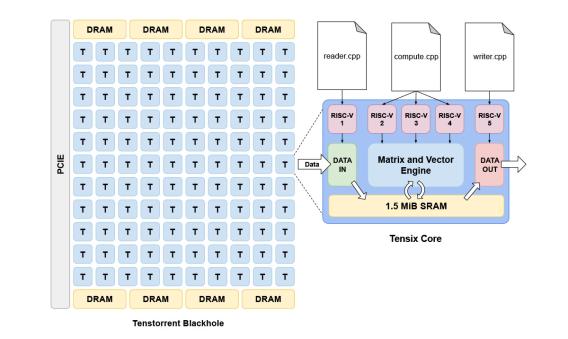
Jake Davies is investigating whether existing programming models can run on custom hardware architectures performantly, attaining high performance and code portability across accelerators.
AI Minister marks milestone on supercomputer build
UK Government Cabinet Minister for Artificial Intelligence, The Rt Hon Kanishka Narayan MP, has visited the site of the UK’s Next National Supercomputer in Edinburgh, marking progress on the projec

A review of the EIDF September drop-in: AI-driven climate science, automated archives and smarter GPU jobs
At the September EIDF drop-in session, the team shared a range of projects and service updates, from sustainable climate modelling to large-scale document digitisation and improvements to the GPU s

Pilot-UKAIFA and HammerHAI: UK and Germany collaborate to strengthen AI in Europe
Through Pilot, the UK AI Factory Antenna, EPCC is again working closely with HLRS, Germany's first national supercomputing centre.